A life insurance claim is filed for a death overseas. The documentation appears complete: an official death certificate, funeral photos, even video footage Until you look closer...
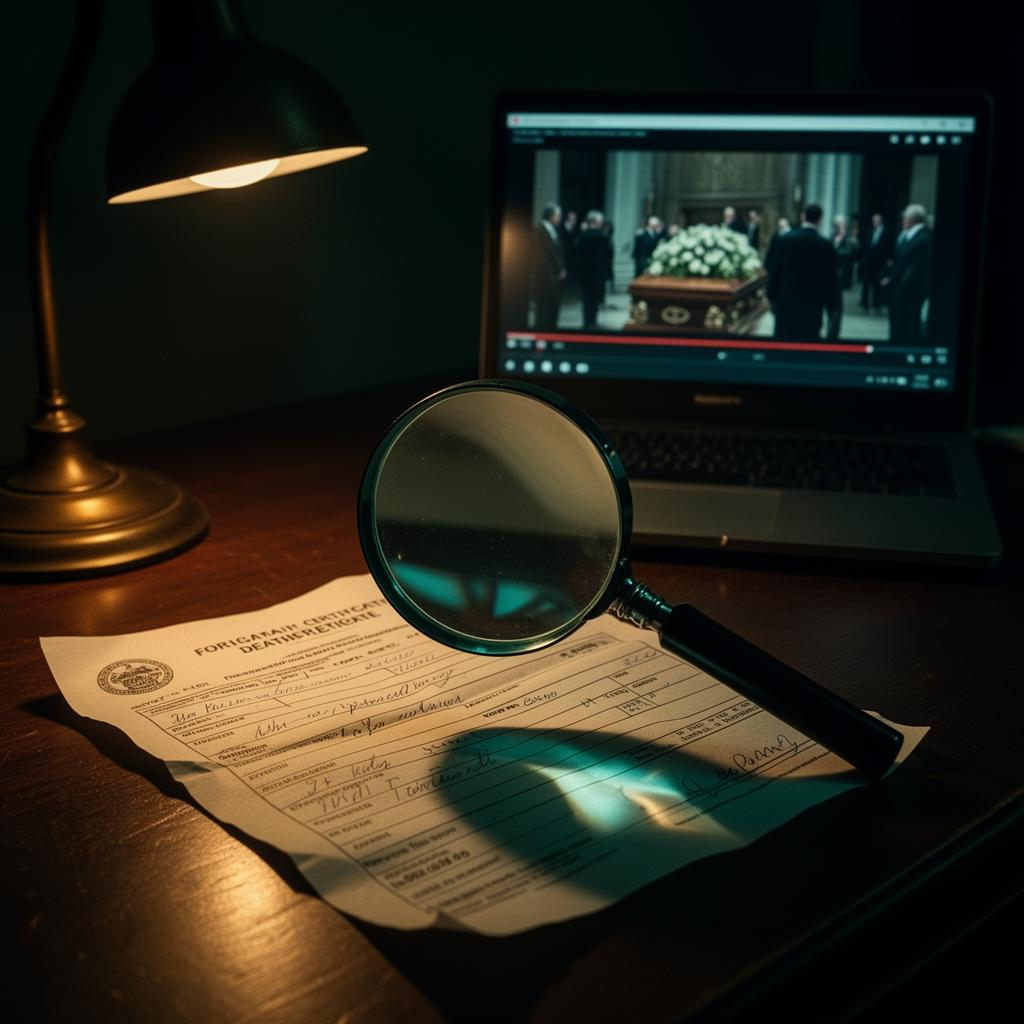
A life insurance claim is filed for a death overseas.
The documentation appears complete:
On the surface, it looks thorough.
Convincing, even.
Until you look closer.
When documentation looks legitimate, what makes an examiner question it?
In certain regions, official records alone aren't always enough to validate a claim. Some countries are easier to secure death certificates than others.
Examiners may request additional evidence:
Sometimes, the additional documentation tells a different story.
In one case, a funeral video submitted as proof revealed something unexpected.
The recording continued just a little too long. What appeared to be a final moment… wasn't. The presumably deceased person got up and turned off the recording.
In another, subtle inconsistencies — movement, timing, details that didn't quite align — raised questions that paperwork alone never would have.
These aren't the majority of claims. But they are the ones that require a different level of scrutiny.
Claims professionals don't just review documents. They assess credibility.
And in some cases, the most convincing evidence is what requires the closest attention.
Because behind every claim is a responsibility — not just to process it, but to get it right.